Supply chain optimisation
An efficient supply chain doesn't happen by itself
Every organisation wants reliable delivery, low stock levels, short lead times and satisfied customers. Yet processes often drift apart step by step. New products, extra warehouses, different systems and changing customer demands make the supply chain ever more complex.
The result is a chain in which people work hard but performance lags behind. Supply Chain Meneer helps organisations bring their supply chain back into balance. Practical, independent and always starting from the complete process.
It is all about how the links fit together
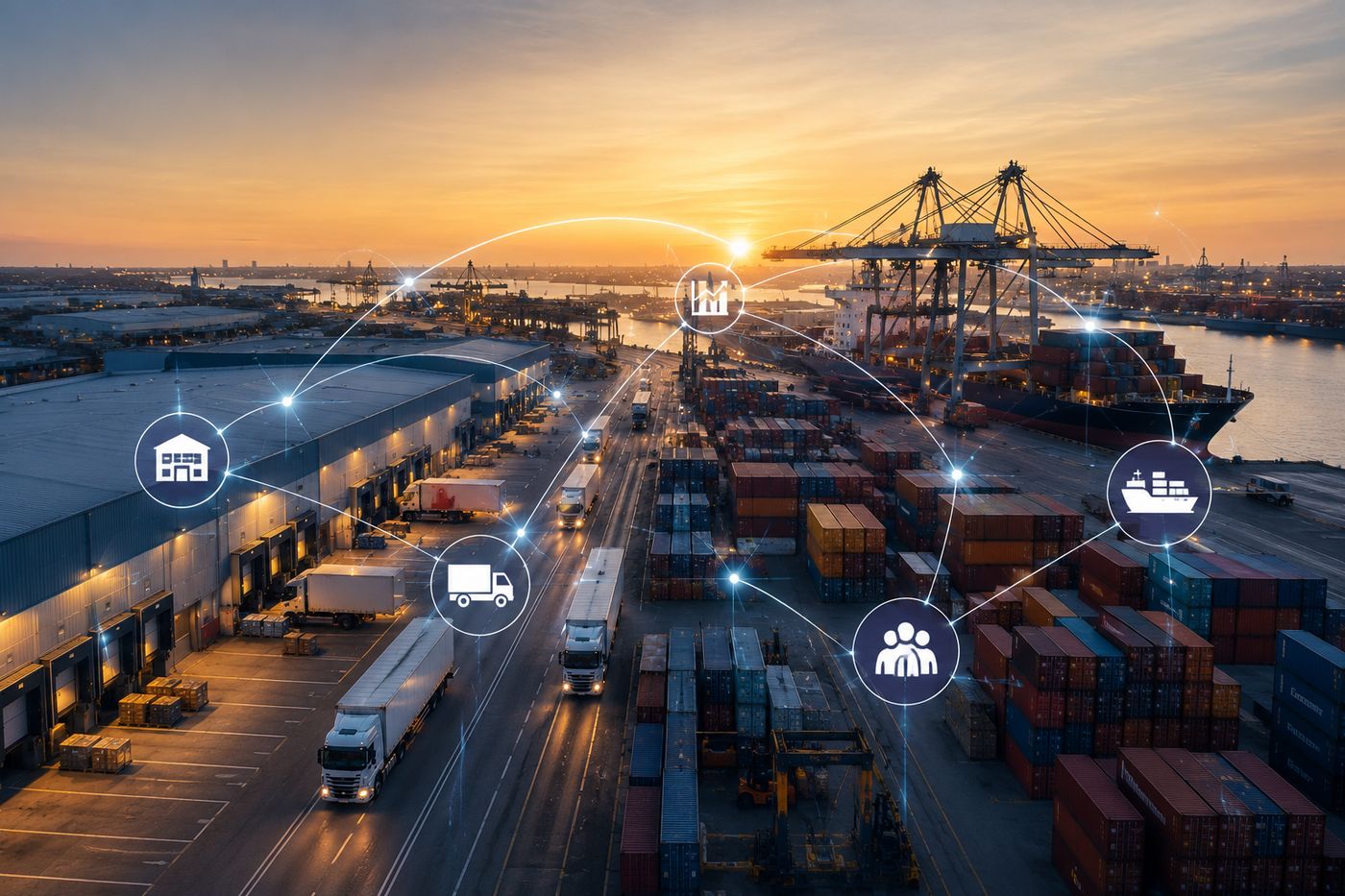
Supply chain optimisation goes further than improving a single process. Think, for example, of:
- Purchasing and supplier management
- Production planning
- Inventory management
- Warehouse processes
- Transport and distribution
- Service and aftersales
- Data and information management
It is when these processes connect properly that an efficient supply chain emerges.
 Optimisation starts with insight
Based not on assumptions, but on facts
Before processes can be improved, insight is needed. Together we analyse:
- Where do bottlenecks occur?
- Where do waiting times occur?
- Which processes add no value?
- Which information is missing?
- Which decisions could be better supported?
Based not on assumptions, but on facts and day-to-day practice.
Advice and execution
Supply Chain Meneer helps not only with advice but also with execution. Together we work towards:
- Shorter lead times
- Reliable deliveries
- Lower stock levels
- Less waste
- More control over performance
The goal is not the perfect theory, but a supply chain that performs better every day.
Processes, people and systems
Every organisation is different. That is why I look not only at processes, but also at the people who work with them and the systems that support them.
By connecting processes, collaboration and IT, you get a supply chain that is ready for further growth.
An optimised supply chain delivers more than lower costs
- Higher delivery reliability
- More flexibility
- Greater customer satisfaction
- Fewer operational risks
- Better collaboration
- More room for growth and innovation
A supply chain is only optimal when every link contributes to the shared result